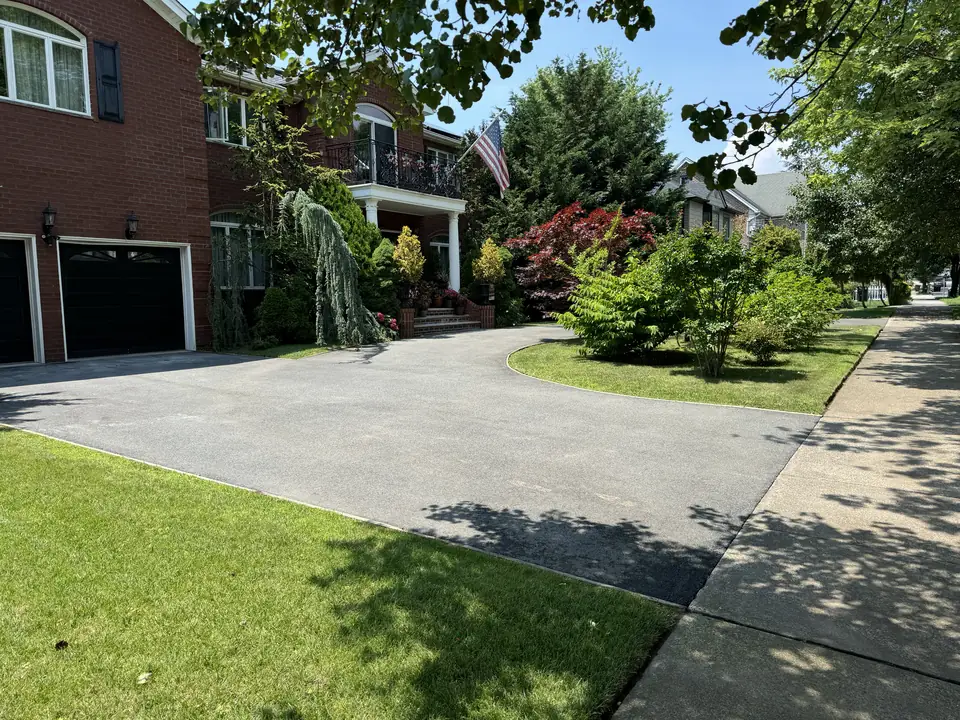
Asphalt Driveways

Asphalt Driveway Paving & Repair in NYC and Long Island

A good asphalt driveway starts underneath. Most driveways that crack, sink, or hold water after a few winters were paved over a thin or poorly compacted base. We build the base first, set the pitch so water runs off, and then pave, so your driveway stays smooth for years.

We pave and repair driveways for one- and two-family homes, attached houses with shared driveways, and small business lots across Brooklyn, Queens, and Long Island.

What’s included

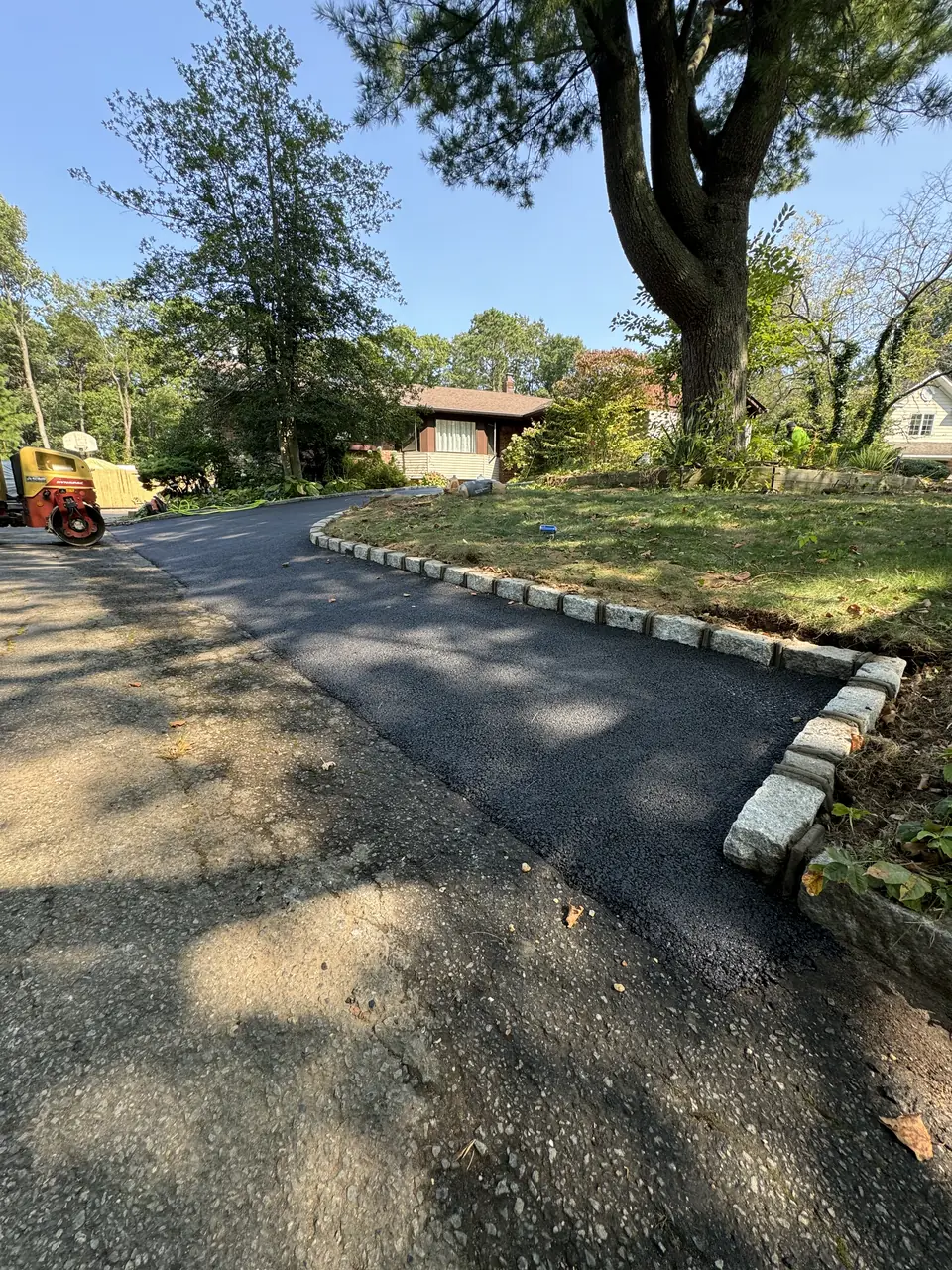
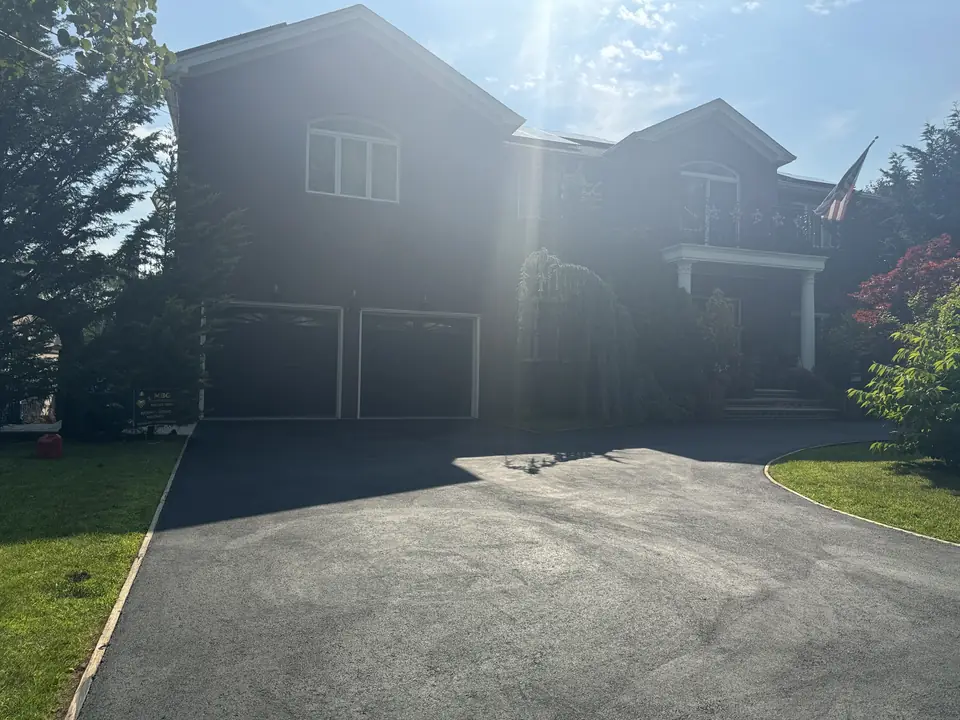
New asphalt driveways

Excavation, a compacted stone base, and a new paved surface sized for your cars and your lot.

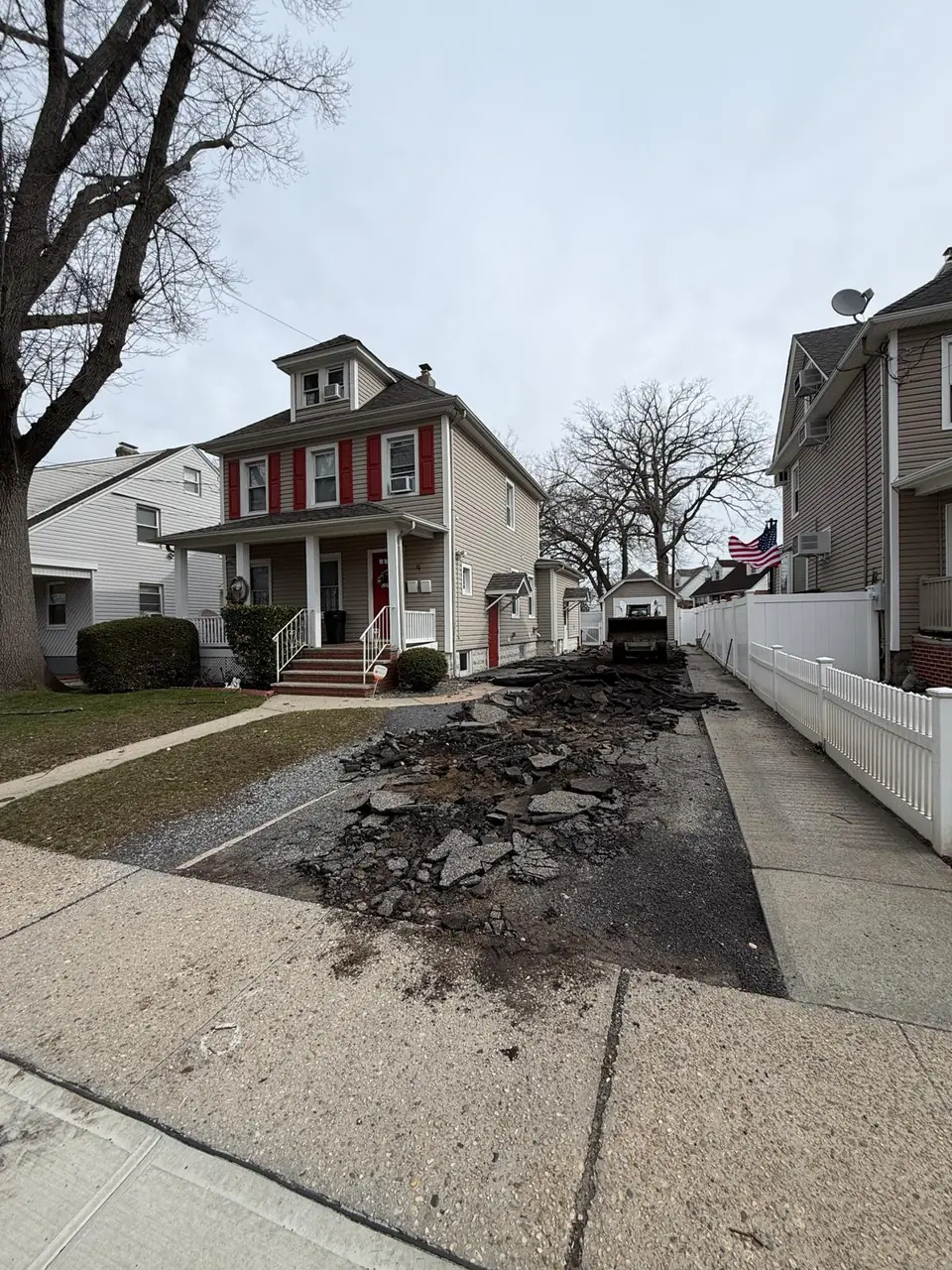
Tear-out and repave

When the old driveway has failed, we remove it down to the base, repair soft spots, and repave.

Resurfacing (overlay)

If the base is still sound, a new layer of asphalt over the existing surface gives you a like-new driveway for less.

Crack and pothole repair

We cut out failed patches and fill cracks before water gets under the surface and makes them worse.

Sealcoating

A protective coat that keeps out water, oil, and UV, and brings back the deep black finish.

Drainage and grading

We set the slope so rain runs to the street or a drain instead of toward your garage or foundation.

Signs it needs work

  • Web-like “alligator” cracking spreading across the surface
  • Potholes or loose chunks, especially after a hard winter
  • Puddles that sit for hours after it rains
  • Crumbling edges along the sidewalk, curb, or lawn
  • A dry, grey, rough surface that has lost its finish
  • Weeds growing up through the cracks

Hairline cracks on a sound driveway usually just need filling and a sealcoat. Soft spots, wide cracks, and standing water usually mean the base has failed. Patching over a failed base doesn’t last, so a repave is the better value.
Our Work

Recent asphalt driveways projects

Tap any photo to see it larger. See all of our projects.

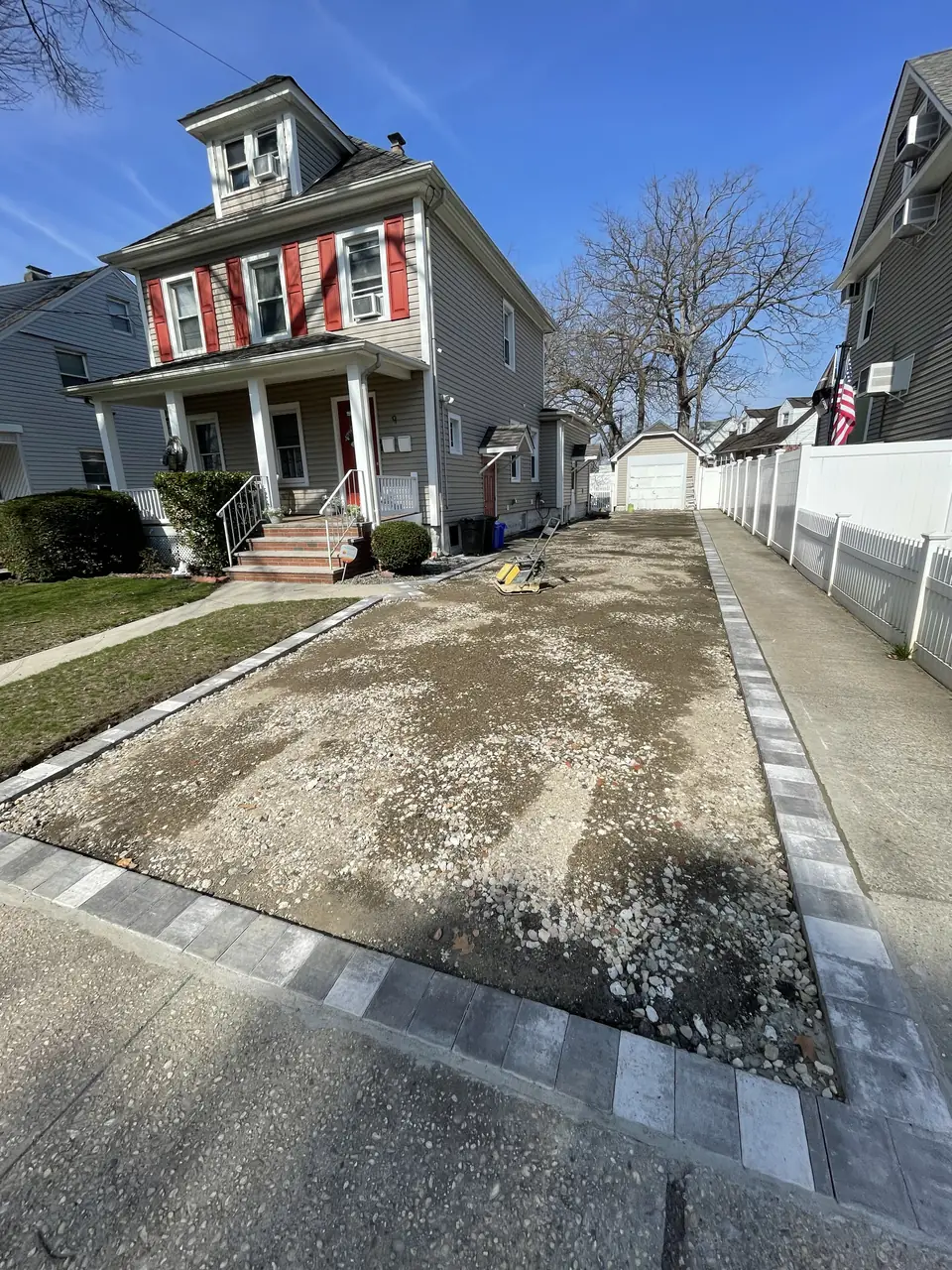
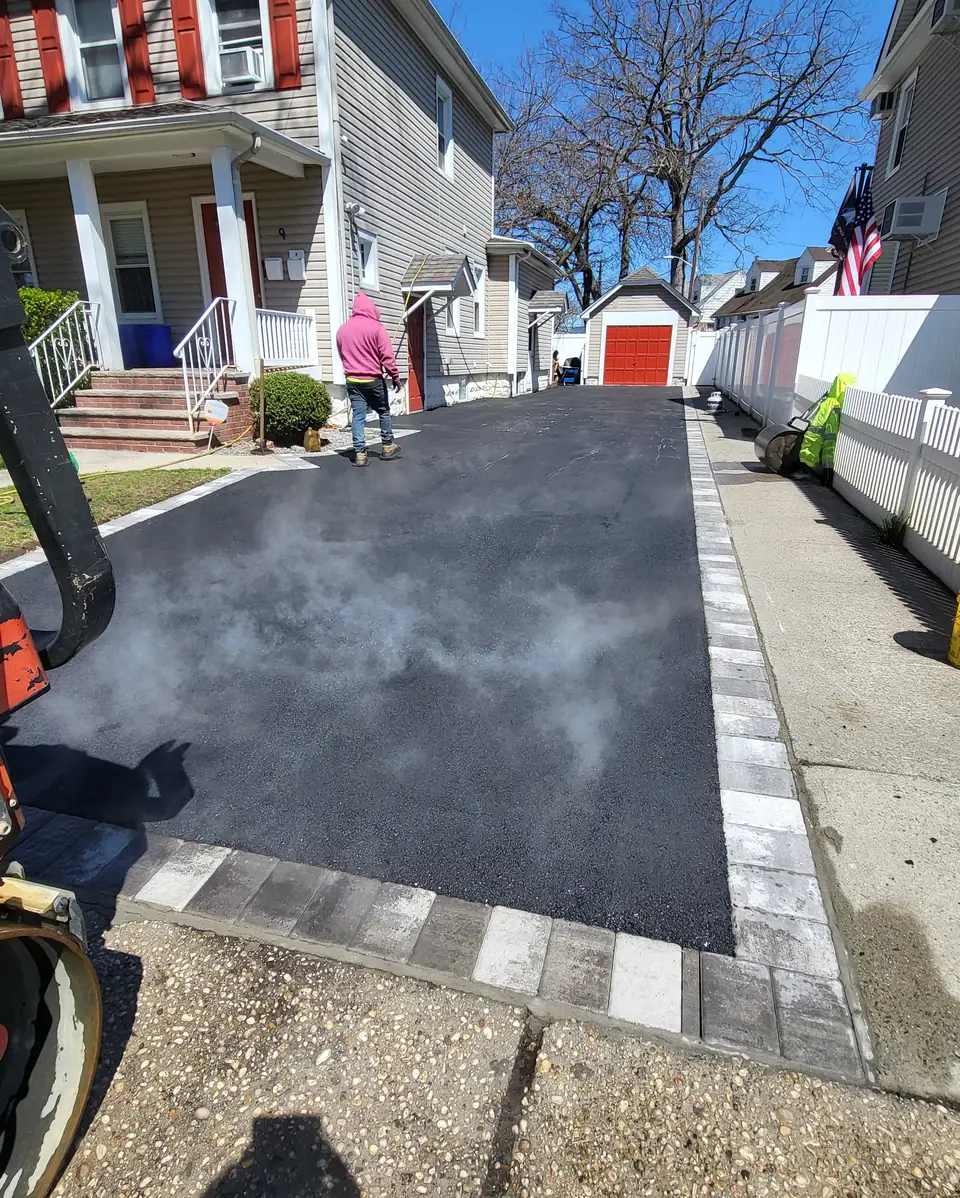
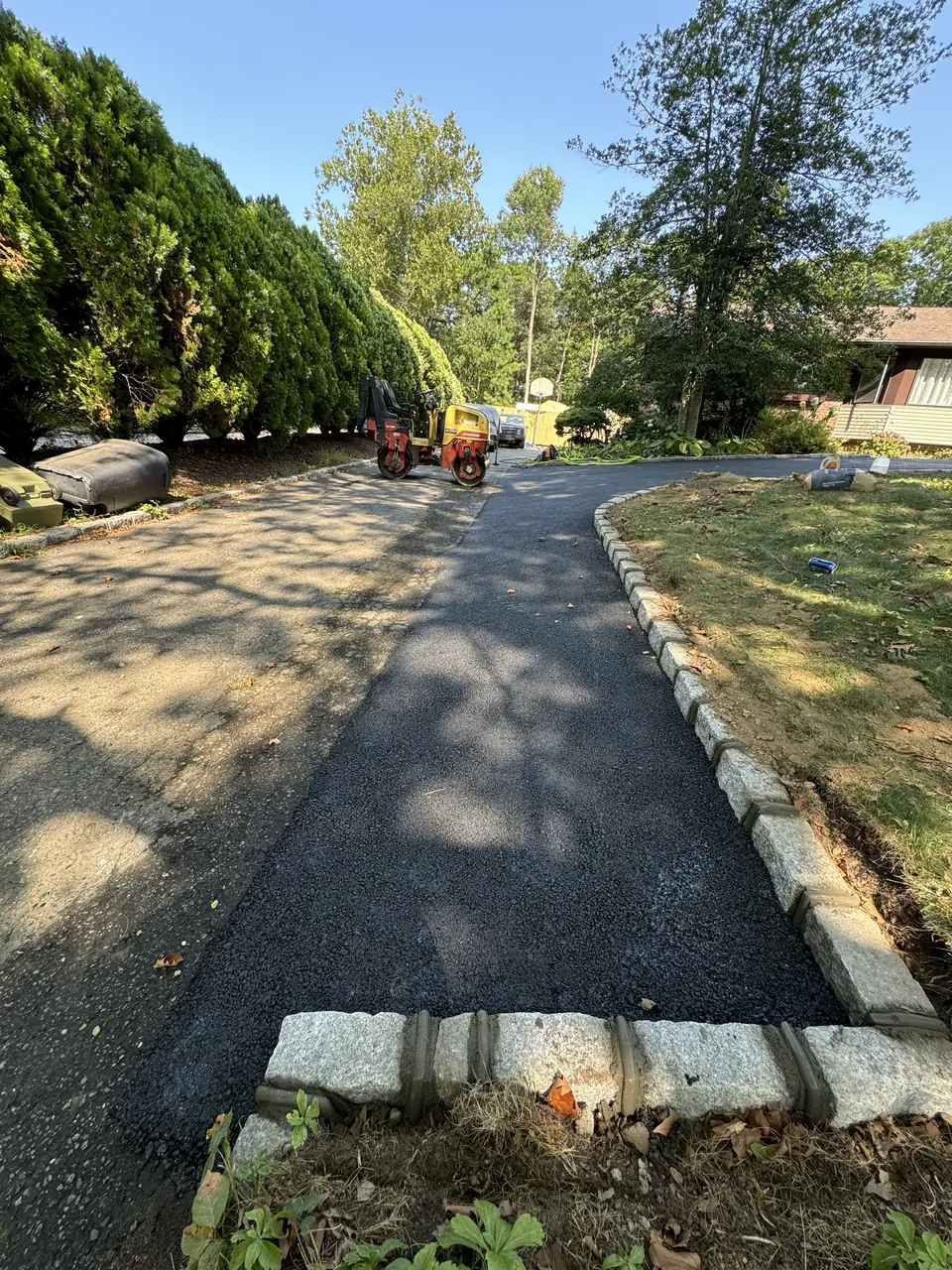
Driveway tear-out and repave

undefined
Before
undefined
In progress
undefined
After

How We Do It

From site visit to walk-through

  1. I

    Free site visit

    We measure the driveway, check the base and drainage, and look at how it meets the sidewalk, apron, and garage.

  2. II

    Written proposal

    You get an itemized price. When it makes sense we give you options, such as resurfacing versus a full repave.

  3. III

    Prep and paving

    We remove the old surface where needed, grade and compact the base, then lay and roll hot asphalt to clean, straight edges.

  4. IV

    Walk-through and care

    We clean up, walk the job with you, and tell you when you can drive on it and when to sealcoat for the first time.

Pricing

What affects the price

  • Size of the driveway in square feet
  • Repair, resurface, or full replacement
  • Removal and disposal of the old asphalt or concrete
  • Base repairs and drainage work
  • Access for equipment, such as shared driveways and narrow alleys

Every job is different, so we give you a written, itemized price after a free on-site look.

Areas We Serve

Where we work

We do asphalt driveways work across Brooklyn, Queens, Long Island, Manhattan, The Bronx, and Staten Island, with most jobs in Brooklyn, Queens, and Nassau County, including Canarsie, Jamaica, and Forest Hills.

See all service areas

FAQ

Frequently asked questions

How long does an asphalt driveway last in New York?

With a solid base and regular sealcoating, most asphalt driveways last around 15 to 20 years. Freeze-thaw cycles are hard on pavement, so filling cracks early and resealing on schedule makes the biggest difference.

How soon can I drive on a new asphalt driveway?

Usually after 2 to 3 days, and longer in hot weather. For the first few weeks, avoid turning your wheels while the car is parked and keep heavy trucks off it.

Should I choose asphalt or concrete?

Asphalt usually costs less up front, installs faster, and handles freeze-thaw well, but it needs sealcoating every few years. Concrete costs more but lasts longer with less upkeep. We’re happy to price both.

How often should a driveway be sealcoated?

Every 2 to 3 years for most homes. The first sealcoat goes on 6 to 12 months after paving, once the new asphalt has cured.

Can you resurface instead of replacing?

Often, yes. If the base is solid and the damage is on the surface, an overlay is a good option. If there are soft spots or drainage problems, the base has to be fixed first, and we’ll tell you honestly which one you need.

Get a free asphalt driveways estimate

Call or text us, or send a few photos of the job. We’ll tell you what it needs and set up a free site visit.

Call for a Free Estimate